Mongolia

$40.02
© Peter Menzel & Faith D’Aluisio

$40.02
© Peter Menzel & Faith D’Aluisio

$31.55
© Peter Menzel & Faith D’Aluisio
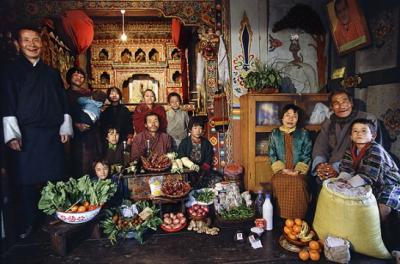
$5.03
© Peter Menzel & Faith D’Aluisio

$1,62
© Peter Menzel & Faith D’Aluisio

$500.07
© Peter Menzel & Faith D’Aluisio

Vivimos rodeados de conceptos propios o ajenos, que con la globalización se han vuelto más numerosos y tomado múltiples acepciones, incluso contrarias. A veces ello genera confusión tanto en la interpretación como en los hechos, porque los valores se actúan conforme son interpretados (existen posturas actuales que afirman que las acciones y decisiones humanas son regidas en gran porcentaje, 70-80, por el inconsciente). Al contrastar visiones del mundo que antes no coexistían, de las cuales ni siquiera teníamos referencia -por ejemplo del budismo-, en regiones tradicionalmente cristianas surgen diversos cuestionamientos.
Cuando era pequeña, en las normas del católico, la persona no debía reconocer sus aciertos –incluso alcanzados con mucho esfuerzo- y al ser halagados frente a los demás, uno debían negarlos o minimizarlos… ello era considerado humildad (en aquella época para mí, era como ser mentiroso consigo mismo). Bien ahora, nadie de los que hace cola se atreve a pedirle un burócrata cuando en horas de trabajo está tomando la torta o platicando, y si se le demanda hacer su trabajo, esto es juzgado como ser arrogante. Esta misma versión se repite en distintos contextos. Lo cierto es que los conceptos van cambiando, respecto a sus planteamientos originales, como pueden estar planteados, por ejemplo, en los libros sagrados.
Si procedes de sociedades cerradas y pequeñas, como es mi caso, tradicionalmente católicas –cuando yo era una jovencita durante la mi secundaria asistía, por ejemplo, sólo una alumna “atea”, o así declarado por su padre lo que le garantizó el ser juzgada con enorme recelo. Son palpables los cambios que han tenido los valores respecto a los tradicionalmente compartidos. Lo cierto es que cada sociedad e incluso cada momento histórico ha tenido distintos valores, en distintos grados y jerarquías. Este movimiento dinámico de valores y contravalores que palpamos en nuestro día a día, nos obliga a revisarlos, no sólo en lo personal, sino a gran escala, como sociedades.
Cuando uno quiere indagar sobre estas concepciones filosóficas puede hacerlo directamente con la definición del concepto, o desde sus concepciones antagónicas (humildad versus soberbia). Otra manera de hacerlo es revisar cómo se interrelaciona con otros conceptos, (por ejemplo, la envidia o la avaricia como parte de la soberbia), o también se puede contrastar con otros conceptos, como el ego, por ejemplo. Osho aborda primero el concepto que llama equívoco para posteriormente decidir qué es lo que sí lo describe.
La humildad es un valor central en casi todas las filosofías, religiones e incluso para las posturas pragmáticas. Cabe aclarar que este concepto tiene una relación intrínseca con la manera en que conceptualizamos la divinidad o espiritualidad. En las religiones que llamaremos externas, los seres tienen un Dios externo que dirige y gobierna; en las internas la fuerza divina existe dentro de los seres y es desde donde el ser humano constituye parte de su orden universal.
Parte de la confusión en la vida diaria es la discrepancia entre las muchas concepciones y actos relacionados con la humildad, así como la confusión con su sombra: la falsa humildad. Las preguntas que mueve esta revisión son: si requiero ser humilde para crecer como persona qué dicen el budismo, cristianismo o ciertos enfoques terapéuticos como Constelaciones familiares, al respecto. Cabe entonces señalar: ¿qué es realmente la humildad? ¿cómo se distingue de la falsa humildad? ¿qué es la soberbia?
El término humildad se desprende del latín humilitas, relacionado con el adjetivo humilis, traducido como "humilde" pero también como "bajo", "de la tierra", o "húmeda", ya que se deriva a su vez de humus (tierra).
Según Wikipedia, la acepción ecléctica más popular enfatiza a la humildad como el autoconocimiento verdadero: no creer que se es más ni menos de lo que se es en realidad.
Para el budismo, la humildad equivale a ocuparse sobre cómo liberarse de los sufrimientos de la vida y las vejaciones de la mente humana. El objetivo final es lograr un estado de iluminación a través de la meditación y otras prácticas espirituales. La humildad también resulta de lograr la liberación con el arribo al Nirvana. Cuando uno experimenta la iluminación es porque se es libre de sufrimientos, vejaciones y todas las ilusiones de auto-engaño; ya que la humildad, la compasión y la sabiduría caracterizan al estado de iluminación. Para el Maestro Li Yuansong la iluminación sólo puede venir después de la humildad.
La postura budista crítica al ego, la arrogancia (www.budistas.blogspot.com) y el orgullo; las consideran formas de autoengaño, ya que la persona se cree más capacitada, poderosa, íntegra, popular o atractiva de lo que realmente es. Al estudioso del budismo, con su pretendida perfección la persona es incapaz de verse a sí mismo tal y como es, de admitir sus propias limitaciones, porque está cegado por el orgullo. Sugieren la búsqueda objetiva, que se traduce en aceptarse en lo positivo y favorable, y en lo negativo y desfavorable. Reconoce que ambos aspectos están presentes constantemente por lo que es importante percibir los propios limitaciones y alcances.
La visión budista revisada, considera que la arrogancia y el autodesprecio son dos caras del egocentrismo. Ambos expresan una obsesión por su ego –se centran constante y exclusivamente en sí mismo-; la primera se enfoca a su propia perfección (se alaba) y la segunda a su desgracia (se infravalora), echando la culpa a los demás de su desgracia en ambos casos y manifestando sus inseguridades a través del odio.
Cabe resaltar que Nietzsche por ejemplo, la humildad en sentido de esclavismo, servilismo y mansedumbre, llamándola la humildad del cristianismo. El rechazo a estas falsas expresiones de la humildad se incluye también en el libro del Torá, en la que se dice que la autoestima y la humildad no se excluyen sino que se complementan. La humildad no es humillación, y se considera de mayor valor si la humildad se dirige del opresor al oprimido. Algunos autores mencionan también al servilismo excesivo como vicio (como también el orgullo), y se percibe como abuso de humildad: mima el orgullo de otros, lo que genera y mantiene la tiranía, arbitrariedad y arrogancia. La humildad se practica de tal manera que no promueva los vicios en el otro. En este sentido, Osho menciona que la confusión estriba en que la humildad se confunde con los egos reprimidos (se ve más adelante).
Desde la teoría ética de Tomás de Aquino la humildad no sólo requiere de salud interior del sentimiento y del intelecto, sino también la pureza exterior de las obras. Si partimos de que la virtud estaría orientada al bien y el vicio al mal; la primera genera placer y gozo, tratando de evitar el mal; la segunda produce dolor y tristeza. El hombre humilde es bondadoso, el soberbio refleja aversión al bien en sus acciones, por su deseo desordenado de sobresalir (aquí también se considera la intención, que sólo le es conocida por uno mismo). La humildad es entonces un medio para luchar contra el vicio de la soberbia, porque limita el amor excesivo. Pieper resalta que en todo el tratado de Tomás sobre la humildad y la soberbia no se encuentra ni una sola frase que relacione con la humildad al autorreproche, la depreciación del propio ser o propios méritos o la conciencia de inferioridad.
De acuerdo con las características dadas por Tomás de Aquino, la soberbia se expresa con la jactancia e hipocresía, la desobediencia, desesperanza e infidelidad y la presunción. Asimismo, define diferentes causas de la humildad: el amor (honramos a los que amamos), el dolor (cuando surge éste se da una situación que la humildad aflora), el temor (la actitud de un hombre ante el deseo de fama y honor generalmente implica vanagloriarse y preocupa por sí mismo, sin embargo se tiene la posibilidad de rechazarlos; la súplica, porque implica pedir algo con vehemencia, de esta manera se evita la autosuficiencia.
En cuanto a los grados de humildad mencionados por Tomás de Aquino, subraya como el más sencillo aquella que se manifiesta con las palabras, más desarrollada aún cuando se refleja en los hechos y la más desarrollada cuando la humildad viene desde el corazón; de tal manera de que quien es humilde de corazón lo será de hechos y palabras, directamente manifiestas también en sus expresiones e intención.
De acuerdo a Tomás de Aquino hay dos caminos para alcanzar la humildad: por el don de la gracia y mediante el estudio. Este último es fundamental, porque los conocimientos necesarios permiten actuar rectamente y elegir entre opciones, buscando la raíz de los hechos; por ello existe una relación muy estrecha entre sabiduría y humildad. Desde su visión, la humildad dispone de la sabiduría. Aquí cabe preguntarse: quien no estudia, o lo hace poco -llamado ignorante o analfabeto- ¿puede ser humilde?, y, el planteamiento tomista ¿incluye otros tipos de conocimientos que no sea el netamente informativo racional?
Para precisar los límites y consideraciones del concepto de la humildad en la teoría tomista, especifica que la magnanimidad y la humildad no son contrarias, aunque así lo parezcan. El hombre tiene una parte noble y virtuosa recibida de Dios; sin embargo, también tiene una parte limitada en su propia naturaleza humana. Por esta razón, el hombre desde la parte noble tiende magnánimamente a los bienes más elevados, aunque también sea capaz de valorar sus propios defectos a través de la virtud de la humildad. En la religión cristiana, religión externa, es Dios quien otorga; sin embargo en las religiones internas, es el hombre quien recibe la parte divina y tiene en potencia capacidad para lograr un mejor desarrollo durante su vida.
De aquí es importante aclarar que la verdadera humildad es diferente a la falsa humildad, implicando ésta última la auto desaprobación de sí, de sus dones, talentos y logros frente a los otros, a fin de conducta generar en los otros una alabanza o la adulación (expresiones como “de lo poco que he leído” cuando se trata de un experto). Así la humildad legítima, Uriah Heep, señala comportamientos y actitudes como: reconocer las virtudes y talentos propios, pero también los que poseen los demás y sobre todo cuando tales virtudes superan las propias, a fin de dar el debido reconocimiento y honor, e incluso cuando necesario, obediencia.
Desde el taoísmo filosófico, el camino del Tao debe ser comprendido como un sendero de realización, donde no intervienen la razón ni las especulaciones. No propone un código ético y considera contraproducente cualquier sistema de normas morales y rígidas, porque asfixia la espontaneidad. Las virtudes del hombre auténtico son: la naturalidad y sencillez (se libera de los aspectos superficiales que a menudo impone la vida social; cultiva lo auténtico, tampoco reprime los instintos naturales sino los depura y encauza convenientemente, procurando ajustar su existencia al ritmo natural, sin racionalización alguna o control excesivo). Mientras el cristiano se siente indigno ante la Majestad de su Dios, el taoísta no se singulariza ni desea destacarse del Todo.
La ética del Tao significa blandura, sabe ceder con el fin de recuperar la posición inicial sin romperse (con la flexibilidad de un bambú), rechaza la dureza o la rigidez. Sabe adaptarse a los hechos. No presta ninguna resistencia violenta. Implica tener la mente abierta, liberada de la inercia vital o cerrazón mental. Escuchar, no se obsesiona, vive con lucidez y con el ánimo relajado.
En este contexto su humildad, es hacerse pequeño, reducirse sin pretensiones. El Tao prefiere lo ínfimo, lo minúsculo, porque sabe que la felicidad nace en lo pequeño y le ayuda a avanzar en el camino de su propia elevación espiritual. Así la no-acción es actuar con impersonalidad, sin ningún tipo de actitud egocéntrica, ya que se debe liberar del ego, pues la mente egoísta es la raíz de cada mal. Aceptar con agrado todos los cambios, inclusive la muerte y busca la armonía con el universo. De acuerdo con el Tao Te Ching, una persona sabia actúa sin pretender los resultados como suyos, logra su mérito y no desea mostrar su superioridad. En un mundo hedonista y egocéntrico, el Tao nos recuerda que la dicha consiste en la evolución de la riqueza interior y en la realización de su esencia espiritual, el "ser" prima sobre el "tener y el hacer", los deberes priman sobre los derechos, comenzando por el deber de respeto al orden cósmico.
Otra postura como las de Osho afirman que las religiones han dado una connotación equivocada, al concepto de humildad, ya que se cree que significa todo lo contrario al egoísmo, lo cual no es así porque incluso lo contrario del ego seguiría siendo el cultivo del yo, pero escondido, tras fachadas; como cuando uno se supone más humilde que cualquier otro, eso es ego. Menciona que la diferencia entre ser humilde y el rasgo de ser tímido como expresión de humildad, es sólo que en el segundo, la persona trata de esconderse por miedo, donde hay posiblemente un gran desconocimiento de sí y no se es capaz de percibir distinciones entre sus propias acciones y las respuestas a la realidad.
Tomemos el siguiente caso mencionado por Osho, la historia de tres monjes cristianos que pregonaban la humildad y que ellos eran los representación de la humildad por ser cristianos y monjes, el autro señala que se trata de egos reprimidos, porque son seres que reprimen su ego pretendidamente para ser humildes pero en realidad codician y están ávidos de entrar al paraíso y disfrutar de todos sus placeres. La falsa humildad es ego reprimido que aparenta ser humilde pero que se supone superior. La verdadera humildad no tiene pretensión alguna de ser superior. Es una comprensión simple y pura de que no existe nadie superior ni inferior entre las personas; somos sólo nosotros mismos, incomparablemente únicos. Por ello a una persona humilde no se le puede herir.
Para Osho la humildad verdadera es simplemente ausencia de ego. Se trata de dejar caer todas las personalidades y las decoraciones que se han acumulado a su alrededor, para regresar a ser como un niño pequeño que no sabe quién es. Así es el humano en un principio, no sabe nada acerca del mundo. Sin embargo con el tiempo sus ojos se llenan de polvo, llamado conocimiento y le deja ciego; ya que el conocimiento energetiza enormemente al ego: yo sé –decimos- los otros no. El hombre humilde no sabe nada. Está lleno de asombro. Él no tiene ningún derecho sino sólo gratitud, así experimenta una vida de gratitud incondicional, no sólo a Dios, sino a la humanidad y absolutamente a todo.
La falsa humildad y ser tímido, esconderse por miedo son diferentes formas de expresiones del ego (para la psicología la timidez encierra una baja autoestima). Por ello la persona que no cultiva su ego nunca se siente tímida y es valiente (si usted dice algo falso acerca de él, lo refuta, por ejemplo). En esta visión de Osho el mundo es un espejo de lo que pensamos de nosotros mismos, así una imagen negativa del mundo es una negativa imagen de sí mismo; sin embargo señala que son las dos caras de una misma moneda: está la expectativa de un mundo perfecto. El mundo no es perfecto ni es malo.
Para Osho no es importante el conocimiento sino la experiencia, porque la comprensión intelectual no es suficiente para adquirir la verdadera humildad. La meditación puede ayudar a deshacerse del ego porque incrementa la conciencia, ya que es muy difícil en un estado inconsciente –nuestra conciencia es muy superficial- distinguir entre la auténtica y la falsa humildad. Por eso también nuestras decisiones y acciones no son congruentes, porque básicamente el inconsciente rige nuestra vida y porque estamos divididos y somos dinámicamente antagónicos en nuestro interior. Advierte que si usted está en las garras del inconsciente, no hay manera de ver las cosas exactamente como son. Excepto la meditación, no hay otra manera de llevar la luz a la oscuridad inconsciente de su ser; ya que a medida que su meditación crece, su conciencia crece. En el punto final tu conciencia es total y la pérdida del conocimiento ha desaparecido. Convertido en un meditador, la respuesta surge, y el Budismo dice que sólo tu respuesta puede hacerte verdaderamente sabio.
A manera de resumen, la humildad es abordada tanto por las llamadas religiones externas como por las internas revisadas. Tanto unas como otras reconocen la importancia de reconocer los aspectos favorables y desfavorables de la persona, para el cultivo de la humildad. La falsa humildad es un acto manipulatorio consciente o inconscientemente, para estas visiones, incluso es visto como un ego reprimido e insano. Las consecuencias de ser o no humilde son, para las religiones revisadas, distintas: El castigo para una, el no crecimiento para la otra, y son también divergentes las formas en que recomiendan hallar la humildad. Una, lacristiana, desde el conocimiento racional informativo; y la ora, con la meditación, estrategias que en su ejercicio incluso pueden considerarse excluyentes.
We live surrounded by own concepts or from others, that become with globalization
more numerous and taken many meanings, even contrary. Sometimes this creates confusion in the interpretation and in fact, because the values are interpreted as the act (there are current positions that claim that human actions and decisions are governed in large proportion, 70-80, for the unconscious). Contrasting views of the world not previously coexisted, which did not even have the reference, for example Buddhism, traditionally Christian regions several questions arise.
When I was little, the rules of the Catholic, the person should not recognize their successes, even with great effort made to be flattered, and against others, one should deny or minimize humility ... it was considered (at that time for me was like being a liar himself). Well now, anyone who dares queuing to ask a bureaucrat working hours when you take the cake or talking, and if it claims to do their work, this is judged as being arrogant. This same version is repeated in different contexts. The truth is that the concepts are changing with respect to their original proposals, as may be raised, for example, in the sacred books.
If you come from closed societies and small, like me, traditionally Catholic, when I was a teenager during my high school attended, for example, only a student "atheist", or so declared by his father who assured him be judged with great suspicion. They are tangible changes that have taken over the values traditionally shared. The truth is that every society and even each moment in history has had different values, different levels and hierarchies. This dynamic movement and counter values that we touch in our daily life forces us to revise not only personally, but a large scale, as societies.
When you want to look into these philosophical views can do so directly with the definition, or from their antagonistic conceptions (humility versus arrogance). Another way is to review how it interacts with other concepts (eg, envy or greed as part of the pride), or can be contrasted with other concepts such as ego, for example. Osho discusses first the concept he calls misleading and later decide itself what it describes.
Humility is a central value in almost all philosophies, religions and even the pragmatic positions. It should be noted that this concept is intrinsically linked to how we conceptualize the divinity or spirituality. In religions that call external beings have an external God who directs and governs, in the inner divine force within living there and is where the human being is part of the universal order.
Part of the confusion in daily life is the discrepancy between the many ideas and events with the humility and confusion with his shadow: false humility.Questions that moves this review are: to be humble if I need to grow as people say Buddhism, Christianity or certain therapeutic approaches such as Family Constellations in this regard. It then pointed out: What really is the humility?How distinguished from false humility? What is pride?
The word humility is apparent from the Latin humilitas, related to the adjective humilis, translated as "humble" and as "low", "land" or "wet" and that in turn is derived from humus (earth) .
According to Wikipedia, the popular eclectic sense emphasizes the humility and the true self: do not believe that is more or less than what it really is.
In Buddhism, humility is to address how to get rid of the sufferings of life and the vexations of the human mind. The ultimate goal is to achieve a state of enlightenment through meditation and other spiritual practices. Humility is also secure the release with the arrival of Nirvana. When one experiences the lighting is because it is free from suffering, vexations and all illusions of self-deception, and that humility, compassion and wisdom characterize the state of enlightenment. For the Master Li Yuansong lighting can only come after humility.
The Buddhist critique of the ego attitude, arrogance (www.budistas.blogspot.com) and pride of the considered forms of self-deception, since the person is thought more capable, powerful, full, popular or attractive than it really is. The student of Buddhism, with its alleged perfection a person is unable to see himself as he is, to admit their own limitations, because he is blinded by pride. Objective finding suggests that acceptable results in the positive and favorable, and on the negative and unfavorable. Recognizes that the two are constantly present so it is important to realize their own limitations and scope.
Revised the Buddhist view, sees the arrogance and self-loathing are two sides of egocentrism. Both express an obsession with ego-constant focus exclusively on himself, the first focuses on his own perfection (he praises) and the second at his misfortune (underestimated), blaming others for their misfortune in both cases and expressing their insecurities through hatred.
Significantly, Nietzsche for example, slavery in the sense of humility, subservience and meekness, the humility of the Christian calling. The rejection of these false expressions of humility is also included in the book of the Torah, which states that self-esteem and humility are not mutually exclusive but complementary. Humility is not humiliation, and is considered more valuable if humility is directed from the oppressor to the oppressed. Some authors also mention the excessive servility as a vice (as well as pride), and perceived abuse of humility: pride spoils of others, which creates and maintains tyranny, arbitrariness and arrogance. Humility is practiced in such a way that does not promote the services in the other. In this respect, Osho says that the confusion is that humility is confused with the egos repressed (shown below).
From the ethical theory of Thomas Aquinas humility health requires not only inside of feeling and intellect, but also the purity of the work outside. If we assume that the power would be aimed at the good and the bad service, the first generation of pleasure and joy, trying to avoid evil, the second causes pain and sadness. The humble man is kind, the superb aversion reflects well on their actions, their inordinate desire to excel (again considering the intention, which is known only by oneself). Humility is thus a means to combat the vice of pride, because it limits the excessive love. Pieper points out that the whole agreement of Thomas's humility and pride is not even a single phrase that relates to humility in self-reproach, the depreciation of the self or own merits or the consciousness of inferiority.
According to the characteristics given by Thomas Aquinas, pride is expressed with the bravado and hypocrisy, disobedience, infidelity and despair and presumption. It defines different causes of humility, love (we honor those we love), pain (when there is this is a situation that humility comes out), fear (the attitude of a man with the desire for fame and honor usually involves boast and cares about himself, yet it has the ability to reject, the plea because it involves asking for something strongly, thus avoiding the self-sufficiency.
As for the degrees of humility mentioned by Thomas Aquinas, stresses as the simplest one that appears with the words, more developed even when the facts reflected in the more developed when humility comes from the heart, so that he is humble of heart will be of facts and words directly manifest also in their expression and intention.
According to Thomas Aquinas there are two ways to attain humility: for the gift of grace through the study. The latter is essential because it allows the necessary knowledge to act righteously and choose between options, looking at the root of the facts, therefore there is a very close relationship between wisdom and humility. From his vision, humility has wisdom. Here the question is: who does not study, or recently-called ignorant or illiterate, can you be humble?, And the Thomistic approach does it include other types of knowledge than the purely rational information?
To clarify the limits and considerations of the concept of humility in the Thomistic theory specifies that the magnanimity and humility are not contrary, but they seem. The man has a noble and virtuous received from God, but also has a part limited in his human nature. For this reason, the man from the noble tends magnanimously to the highest goods, but also be able to assess their own shortcomings through the virtue of humility. In the Christian religion, external religion is God who gives, but in the internal religions, is the man who received divine and has the potential ability to achieve a better development in their lifetime.
Hence it is important to note that true humility is different from the false humility, the latter involving the self-deprecating about himself, his gifts, talents and accomplishments against the other in order to generate behavior in others praise or flattery (expressions like "the little I have read" when it comes to expert). So humility legitimate, Uriah Heep, says attitudes and behaviors such as: recognizing the virtues and talents, but also those with others and especially when such virtues than his own, to give due recognition and honor, and evenwhen necessary, obedience.
From the philosophical Taoism, the way of Tao must be understood as a path of realization, where no part of reason or speculation. It proposes a code of ethics and considers counter any system of rigid moral standards and because stifles spontaneity. The real virtues of man are the simplicity and naturalness (is released from the superficial aspects that often imposes social life grows real thing, not repress natural instincts but the purified and targeted, seeking to adjust its existence to the natural rhythm, without any rationalization or control over). While the Christian feels unworthy before the Majesty of God, not Taoist singles or want to stand out from the All.
The ethics of the Tao means softness, you know give back to the starting position without breaking (with the flexibility of a bamboo), rejects the hardness or stiffness. Can adapt to the facts. Pays no violent resistance. Involves having an open mind, free from inertia or closed-minded life. Listen, do not obsess, lives with clarity and with the relaxed mood.
In this context, his humility, is to take small, unpretentious reduced. The Tao prefers the tiny, minuscule, because he knows that happiness comes in little things and help you advance in the way of his own spiritual elevation. This non-action is to act with impersonality, without any self-centered attitude, and to be free of ego, because the selfish mind is the root of every evil. Gladly accept all changes, even death, and seeks harmony with the universe. According to the Tao Te Ching, a wise person acts without claiming the results as his own merit and does not want to show their superiority. In a hedonistic, self-centered world, the Tao reminds us that this is the evolution of the inner wealth and the realization of his spiritual essence, "being" premium over "having and doing" homework take precedence over rights, beginning with the duty to respect the cosmic order.
Another position as Osho say that religions have a wrong connotation to the concept of humility, because they think it means the opposite of selfishness, which is not so because even the opposite of ego would be the cultivation of the self But hidden behind walls, as when one is more humble than any other, that's ego. He mentions that the difference between being humble and the trait of being shy as an expression of humility, it is only in the second, the person tries to hide out of fear, where there is possibly a lack of understanding themselves and not being able to perceive distinctions between their own actions and responses to reality.
Consider the following case mentioned by Osho, the story of three Christian monks who preached humility and they were the representation of humility for being Christians and monks, says Autro egos is repressed, because they are beings who suppress their ego purporting to be humble but really covet and are eager to enter paradise and enjoy all its pleasures. False humility is repressed ego appears to be humble but it is supposed superior. True humility does not have any claim to be superior. It is a pure and simple understanding that there is no upper or lower among people, we are just ourselves, incomparably unique. So a humble person can not be hurt.
For Osho true humility is simply the absence of ego. It is dropping all the personalities and decorations that have accumulated around him, to return to be like a little boy who does not know who he is. So is the human at first knows nothing about the world. But over time her eyes filled with dust, called knowledge and lets blind since knowledge greatly energizes the ego: I know, we-others do not. The humble man knows nothing. It is full of wonder. He has no right but only gratitude, and experience a life of unconditional gratitude, not only God, but to humanity, and absolutely everything.
The false humility and being shy, hiding for fear are different forms of expressions of ego (self-consciousness in psychology involves low self-esteem). Therefore the person who does not cultivate his ego never feels shy and brave (if you say something false about it, refute it, for example). Osho In this vision of the world is a mirror of what we think of ourselves and the world a negative image is a negative self-image, but notes that they are two sides of same coin: there is the expectation of a perfect world. The world is not perfect nor bad.
Osho is not important for the knowledge but the experience, because intellectual understanding is not enough to acquire true humility. Meditation can help get rid of the ego because it increases awareness, and it is very difficult in an unconscious state, our consciousness is very superficial to distinguish between genuine and false humility. That is also why our decisions and actions are not consistent, because basically the unconscious rules our lives and because we are divided and antagonistic dynamically within. Note that if you are in the grip of the unconscious, there is no way of seeing things exactly as they are. Except for the meditation, there is another way to bring light to the dark unconscious of his being, because as your meditation grows, your consciousness grows. In the end your consciousness is totally and loss of consciousness is gone. Become a meditator, the answer comes, and the Budism says that only your answer can make you truly wise.
In summary, humility is addressed by both religions calls for the external and internal review. Both institutions recognize the importance of others to recognize the pros and cons of the person for the cultivation of humility. False humility is a manipulative act, consciously or unconsciously, to these views, it is even seen as a repressed and unhealthy ego. The consequences of being humble or not are reviewed for religions other than: Punishment for one, no growth for the other, and are also divergent ways in which to find the humility recommended. One, lacristiana from rational knowledge information, and the prayer, meditation, exercise strategies that may even be considered excluyentes
Con homeopatía
Carbón vegetal activo En el caso de intoxicación química, envenenamiento alimentario o ingestión de otras sustancias nocivas, el carbón vegetal activado tiene la propiedad de absorber los ingredientes peligrosos y eliminarlos por vía intestinal. Se emplea en las salas de urgencia, para los lavados de estómago en casos de tentativa de suicidio por ingesta de medicamentos.
Sílice. Este elemento permite igualmente absorber metales pesados (mercurio, plomo) y otros elementos tales como el aluminio o el flúor en sobredosis. También se encuentran en forma de comprimidos. Son una buena fuente de suplementos alimentarios. Las personas que sufren de úlceras de estómago o de perforaciones del tracto digestivo deberían abstenerse y consultar a un médico. La arcilla diluida en un poco de agua se puede aplicar sobre la piel. Produce un efecto beneficioso por la extracción de toxinas o impurezas y la neutralización de ácidos o de residuos químicos bajo la piel.
Otros conocidos son los alimentos ricos en vitamina C, el ajo con su ingrediente activo, la alicina, es un aliado que hay que utilizar. Más aún si usted es un consumidor de carne.
Aceite de pina de pino y de abeto. Los aceites de estas coniferas son excelentes para despejar los alvéolos y ayudar a descongestionar los pulmones, disolver ciertas resinas debidas al tabaco y otras sustancias.
Receta para eliminar metales pesados del cuerpo
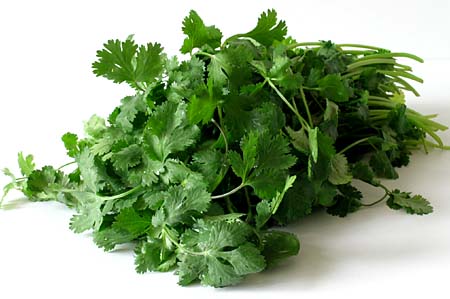
Se ha demostrado que el cilantro puede disolver o disgregar los metales de nuestro cuerpo en un corto lapso de tiempo. La receta de Pesto de cilantroes un potente limpiador de tejidos. Es excelente sobre pan tostado, patatas al horno y pastas. Dos cucharadas de café al día de este pesto durante tres semanas son suficientes para permitir eliminar de la sangre metales tóxicos como el mercurio, el plomo y el aluminio. Hagan esta cura durante alrededor de 3 semanas.
Pueden hacerla al menos una vez al año, para limpiar los pesos pesados.
Receta de Pesto de Cilantro o Culantro
Ingredientes:
• 4 dientes de ajo
• 1/3 de taza de nuez de Brasil (selenio)
• 1/3 de taza de semillas de girasol (cisteína: para sus efectos beneficiosos ver el enlace siguiente: http://imbeau.net/D-bogue/Aminoacides/Cysteine.html)
• 2 tazas de cilantro fresco, bien cargadas. Pueden añadir hojas de perejil fresco para la vitamina C. Puesto que este pesto se conserva bien congelado es preferible conseguir cilantro fresco en temporada y llenar las reservas para todo el año.
• 2/3 de taza de aceite de lino (el lino cura la tos, el asma, el sarampión, el estreñimiento, las gastritis, el impétigo, los abscesos. Tiene propiedades emolientes, laxativas y antiinflamatorias)
• 4 cucharadas soperas de zumo de limón fresco (vitamina C)
• 2 cucharadas de café de miso japonés.
Poner el cilantro y el perejil en la batidora con el aceite de lino y batir hasta que el cilantro esté bien triturado. Añadir el ajo, las nueces de Brasil, las semillas de girasol, el miso y el zumo de limón. Mezclar hasta obtener una textura fina. Añadir miso o limón al gusto. Mezclar de nuevo. Llenar los recipientes y congelar.
Desintoxicar la piel
Podemos desintoxicar el cuerpo a través de la piel a través de simples baños de inmersión con sales minerales. El agua y el calor facilitan la absorción de nutrientes. Además de limpiar, relajar y purificar el cuerpo.
Se puede añadir todo lo que se quiera en el baño caliente: sa ras, tonificantes como las hojas de aliso cogidas frescas (antiinflamatorio), de abedul (purificante y febrífugo), agujas de pino (pulmones).
Quelación, terapia alternativa
Quelación es un tratamiento para la intoxicación con metales pesados. La quelación comunmente se utiliza para eliminar el plomo del cuerpo, aunque también puede ser utilizada para el envenenamiento por mercurio y niveles peligrosos de otros metales pesados. Debe realizarse bajo la supervisión de un médico que puede prescribir el tratamiento apropiado para el paciente y realizar pruebas para supervisar el progreso de la terapia.
Este tratamiento funciona mediante la introduccion de un agente quelante en el cuerpo. que se enlaza con las moleculas de metales pesados y agua soluble, llevando los metales enlazados fuera del cuerpo a través de los riñones.
La quelación se recomienda cuando los exámenes de sangre muestran un nivel peligroso de metales pesados en el cuerpo. El paciente también recibe fluidos apoyo y otros tratamientos, incluyendo nutrición complementaria destinada a compensar los nutrientes que se absorben durante las sesiones de quelación. Mediante examenes de sangre, el médico puede determinar el nivel de metales pesados en la sangre del paciente al inicio del curso de la terapia de quelación, y nuevamente en diversos puntos para confirmar cómo está trabajando la terapia. Debe ser aplicada por médicos profesionales. En México hay varios centros donde se aplica con seguridad y eficiencia.
With homeopathy
Active charcoal. For chemical poisoning poisoning food or ingesting other noxious, charcoal activated has ownership absorb hazardous ingredients and eliminate via intestinal. Used in cinemas emergency for washings stomach cases attempted suicide intake medicines.
Silica. This element allows equally absorb heavy metals (mercury lead) and other elements such as aluminum or fluorine overdose. Also found as tablets. Are good source supplements. People suffering ulcers stomachaches perforations tract digestive should refrain and seek medical. Clay diluted some water can apply on skin. Produces beneficial effect by extracting toxins or impurities and neutralization acidic or chemical residues under skin.
Other known are rich foods vitamin C, garlic your active ingredient allicin an ally to be used. Moreover if you are a meat consumer
Oil pina pine and fir. Oils these conifers are excellent to clear alveoli and help decongest lungs Dissolve certain resins due to snuff and other substances.
Recipe to eliminate heavy metals body
Has shown that cilantro can dissolve or disassemble metals our body in short time. ’s Recipe Pesto cilantro a potent cleaner tissues. Excellent on toast potatoes oven and pastas. Dos tablespoons coffee daily this pesto for three weeks are sufficient to allow eliminate blood toxic metals like mercury lead and aluminum. Hagan this cure during around 3 weeks.
Can make at least once year to clean heavyweights.
Recipe Pesto Coriander or Culantro
Ingredients:
• 4 cloves garlic
• 1 / 3 cup Brazil nut (selenium)
• 1 / 3 cup sunflowerseed (cysteine: your effects beneficial see link following: http://imbeau.net/D-bogue/Aminoacides/Cysteine.html)
• 2 cups coriander cool well charged. Can add parsley leaves fresco for vitamin C. Since this pesto keeps well frozen is preferable get coriander fresh season fill reservations all year.
• 2 / 3 cup flax oil (flax cures coughs, asthma measles constipation, gastritis, impetigo, abscesses. Has emollient, laxative and antiinflammatory).
• 4 tablespoons juice fresh lemon (vitamin C)
• 2 teaspoons miso Japanese.
Put coriander and parsley in mixer oil flax and beat until coriander is well shredding. Add garlic, Brazil nuts, seeds sunflower miso and lemon. Mix until fine textured. Add miso or lemon. Mix again. Filling containers and freeze.
Detoxify skin
We detoxify body through skin through simple Soaks minerals. Water and heat facilitate nutrient absorption. Besides cleansing, relax and purify body.
Can add anything want in hot bath: saras, tonifyings like leaves alder caught fresh (antiinflammatory) birch (purifying and febrífugo), needles pine (lungs).
Chelation, alternative therapy
Chelation is a treatment for heavy metal poisoning. Chelation is commonly used to remove lead from the body, but can also be used for poisoning by mercury and other dangerous levels of heavy metals. Should be done under the supervision of a physician who can prescribe appropriate treatment for the patient and perform tests to monitor the progress of therapy.
This treatment works by introducing a chelating agent in the body. that binds with the molecules of water soluble heavy metals, the metals being bonded out of the body through the kidneys.
Chelation therapy is recommended when blood tests show dangerous levels of heavy metals in the body. He will also receive support and other treatment fluids, including supplementary nutrition to compensate for the nutrients that are absorbed during the sessions of chelation. Through blood tests, your doctor can determine the level of heavy metals in the patient’s blood early in the course of chelation therapy, and again at various points to confirm how the therapy is working. Should be applied by medical professionals. In Mexico there are several centers where it is applied safely and efficiently.

Hoy he aprendido que hay que dejar que la vida te despeine, por eso he decidido disfrutar la vida con mayor intensidad… El mundo está loco.. Definitivamente loco… Lo rico, engorda. Lo lindo sale caro. El sol que ilumina tu rostro arruga. Y lo realmente bueno de esta vida, despeina…
- Hacer el amor, despeina.
- Reírte a carcajadas, despeina.
- Viajar, volar, correr, meterte en el mar, despeina.
- Quitarte la ropa, despeina.
- Besar a la persona que amas, despeina.
- Jugar, despeina.
- Cantar hasta que te quedes sin aire, despeina.
Así que como siempre cada vez que nos veamos yo voy a estar con el cabello despeinado…
Sin embargo, no tengas duda de que estaré pasando por el momento más feliz de mi vida.
Es ley de la vida: siempre va a estar más despeinada la mujer que elija ir en el primer carrito de la montaña rusa, que la que elija no subirse.
Puede ser que me sienta tentada a ser una mujer impecable, peinada y planchadita por dentro y por fuera. El aviso clasificado de este mundo exige buena presencia: Péinate, ponte, sácate, cómprate, corre, adelgaza, camina derechita, ponte seria…
Y quizá debería seguir las instrucciones pero ¿cuando me van a dar la orden de ser feliz?
Lo único que realmente importa es que al mirarme al espejo, vea a la mujer que soy. Por eso mi recomendación a todas las mujeres y hombres:
Entrégate, Come rico, Besa, Abraza, Haz el amor, Enamórate, Relájate, Viaja, Salta, Levántate temprano, Corre, Vuela, Canta, Ponte linda (o), Ponte cómoda (o), Admira el paisaje, Disfruta, y sobre todo, deja que la vida te despeine!!!!
Lo peor que puede pasarte es que sonriendo frente al espejo, te tengas que volver a peinar.
Envíalo a todas las Mafaldas ... y Mafaldos que conozcas
It may be that I feel tempted to be a woman of impeccable, combed and ironed inside and out. The classified ad of this world requires good presence: Comb yourself, dress like this, buy that, run, consume that, walk straight, be serious...
And perhaps you should follow the instructions but when somebody will give me the order to be happy?
If you like this, send it to all the Mafaldas... and Mafaldos you know.